
'I want to be an example to others in my community'
Imagine reaching adulthood without ever having a conversation about your own health. No one to explain your body, your options or the risks you're facing as you live in a community where topics like sexual and reproductive health simply aren't discussed. For many young people in Romogi Sub-county, in northern Uganda the lack of information carried risks, including no protection from teenage pregnancy, no understanding of HIV and no safe spaces to ask questions.
That began to change when RICE West Nile's youth education programme reached their community.
19-year-old Masia* shares her story:
“Before the project we did not have much exposure to information about health, especially topics like sexual and reproductive health. Conversations about such issues were not in our community.
Personally, I had never heard about sex education and I had lacked important knowledge about my own health and future, which could have made me vulnerable to risks such as teenage pregnancy and infections like HIV.
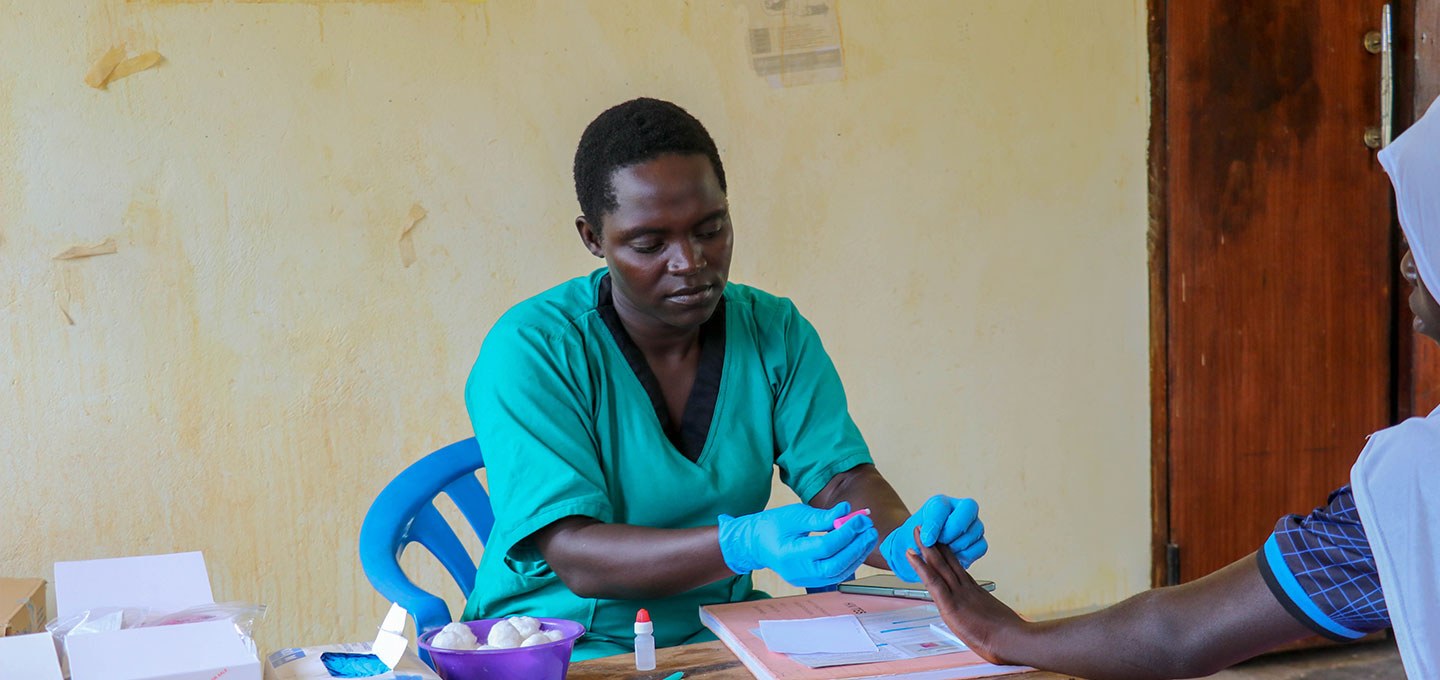
Through the project, I gained important knowledge on how to prevent teenage pregnancy and HIV. I also had the opportunity to go for HIV testing for the first time. Then later I went together with my boyfriend. This experience helped me understand the importance of knowing my health status and protecting myself.
What made me trust and engage with the project was the way the peer educators communicated with us. They were friendly, respectful, and non-judgmental. They created a safe space where I felt comfortable asking questions and sharing my thoughts without fear.
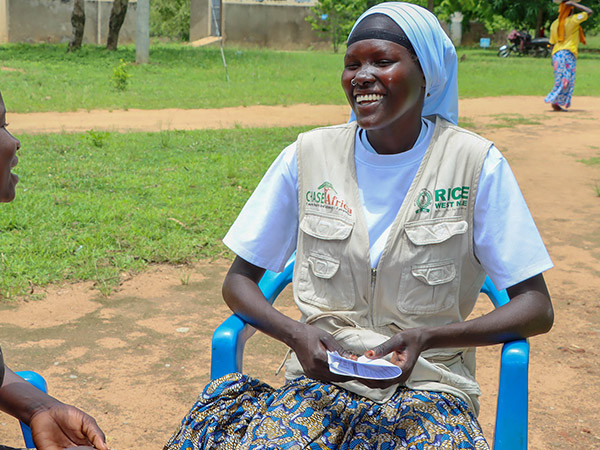
A Youth Peer Educator with a client
Along the way, I faced some challenges. At first, it was not easy to openly engage in discussions about sexual health because of fear of stigma and what others might think. There was also some hesitation when it came to HIV testing, especially involving my partner, as these conversations can be sensitive.
I was able to overcome these challenges through continuous support from the peer educators and the knowledge I gained. The more I attended sessions, the more confident I became. I also communicated openly with my boyfriend, and we encouraged each other to go for HIV testing together. This support and understanding helped us make responsible decisions for our health.
For the future, I have strong hopes. I want to continue with my education and build a better life for myself. I also hope to have a healthy family in the future. I want to be an example to others in my community, especially young girls, by showing that making informed decisions can change your life.
Since joining the project, I have also taken on a small role in my community by sharing information with my peers. I talk to my friends about what I learned and encourage them to attend awareness sessions and go for HIV testing. Even though I am not a formal leader, I feel like I am making a positive difference."
* This name has been changed to protect her identity.
Alongside their wider sexual and reproductive health work, our partners RICE West Nile and RCRA Uganda are supporting adolescents through a dedicated HIV-focused programme.
Young people, especially girls, continue to be disproportionately affected by new HIV infections in Uganda.
At a time when reductions in development assistance are placing increasing pressure on health services, community-based approaches are helping ensure young people can still access information and support close to home.