
CHASE Africa improves access to healthcare and removes barriers to family planning for remote rural communities in East Africa.
We work with local partners to strengthen existing healthcare systems, incorporate Sexual and Reproductive Health and facilitate improved access to health services. We have adopted a holistic approach which also supports projects that aim to empower women, promote resilience to climate change, protect biodiversity and improve the management of natural resources.
We encourage and facilitate learning and information dissemination across our different local partners through the CHASE Africa partner network.
CHASE Africa's 25 Year Anniversary Film
Healthy
women
We improve women’s health and wellbeing, and that of their families. Our community health programmes break down barriers that prevent women accessing health services and realising their Sexual and Reproductive Health and Rights.
Healthy communities
By enhancing knowledge, changing attitudes, and improving access to healthcare and contraception, we create positive ripple effects throughout the community. We improve health-seeking behaviour and we empower individuals to advocate for their needs.
Healthy environment
CHASE Africa promotes a one-health approach, recognising the interconnectedness of human and environmental health and wellbeing. Empowering communities with healthcare, information and strong community structures enables better care for the environment, natural resources and biodiversity.

1,670,868
primary health services delivered
715,866
family planning services delivered
How we work

Where we work
Latest news
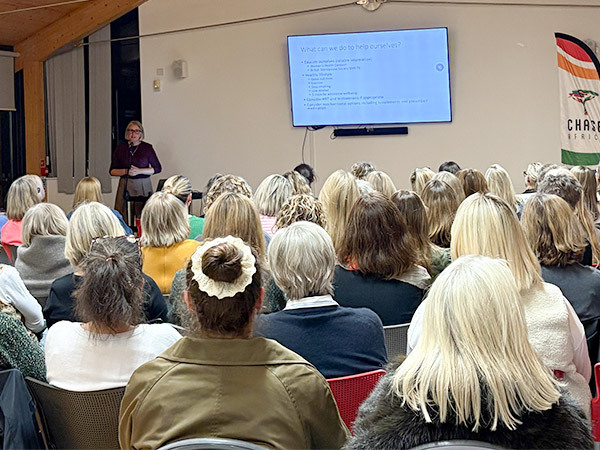
An Evening for Women’s Health in Bath
An evening of expert insight, honest conversation and a chance to meet the team. 85 women joined us in Bath on 8 October to hear from Dr Kate Kerr, CEO, Harriet Gordon-Brown and Ambassador Georgia Burford.

Partners come together at our 2026 Partner Forum in Kenya
Three days of sessions, workshops and shared learning brought over 40 delegates together at our 2026 Partner Forum in Limuru, Kenya, including partners from Kenya, Uganda and Tanzania.
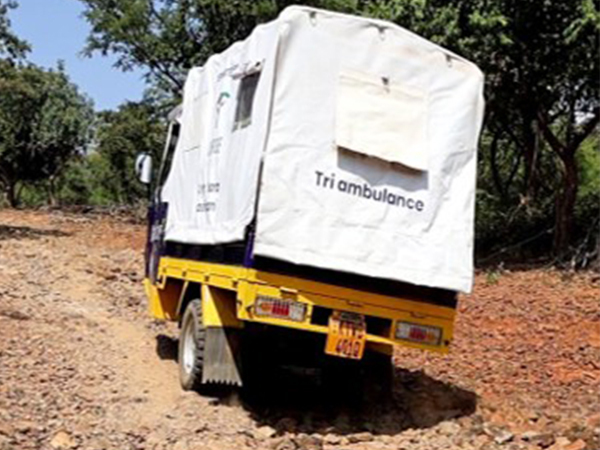
Tuk-Tuk Ambulance Brings Emergency Care to Baringo's Hardest-to-Reach Communities
A tuk-tuk ambulance has been deployed with Dandelion Africa in Baringo County, bringing essential health services directly to communities up to 20 kilometres from the nearest facility and providing a private, equipped space for clinical care where none previously existed.