
Learning, Leading, Protecting: Nasieku’s Journey Away from Harmful Practice
Through trusted community dialogues and respectful education, Nasieku transformed her role and now advocates for the rights and wellbeing of girls.
For many years, Nasieku worked as a traditional cutter, performing female genital mutilation (FGM) as a recognised role and source of income in her community. At the time, she believed she was fulfilling a valued cultural role and supporting families.
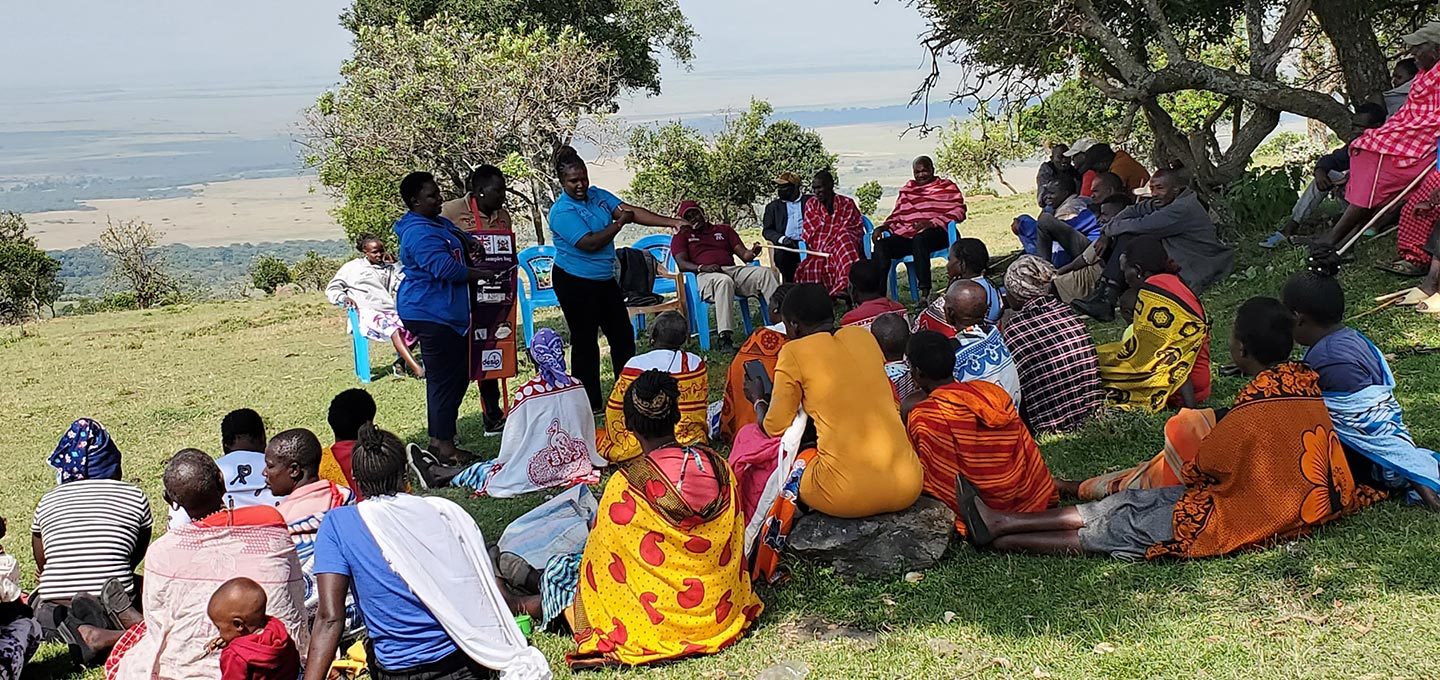
In May 2025, Nasieku attended a community dialogue organised by local partners, where Community Health Workers and Youth Peer Mentors shared information about the physical and psychological dangers associated with FGM, including severe bleeding and complications later in life.

Nasieku now advocates for women's rights
Listening to the personal stories of survivors and the clear health information made her reassess what she had been doing.
For the first time, I realised that the practice I had performed for years was harming the girls I thought I was helping.
I had little understanding of the risks involved. I had not received any formal education on health, women’s rights, or sexual and reproductive health. My knowledge of these issues was limited to what the community taught me.
What stood out to Nasieku was the respectful way the facilitators explained the risks and the way they provided space so she was able to ask questions and learn.
It was hard to accept at first, and I felt conflicted about changing something I had practiced for decades. But the evidence and personal stories made me understand the gravity of the harm.
Through follow-up meetings and women’s forums, she learned about alternative rites of passage and other ways she could continue to contribute positively to her community’s wellbeing.
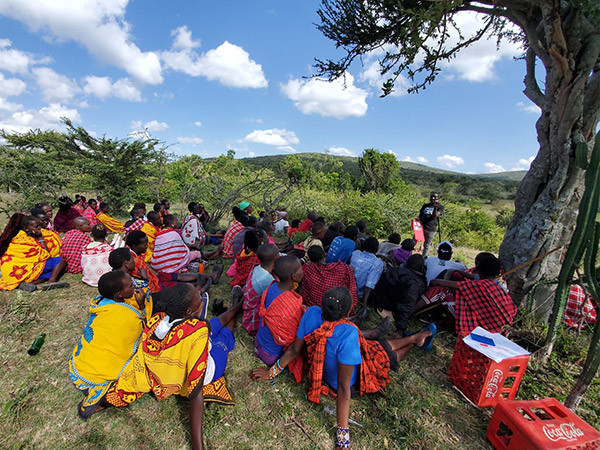
A community dialogue organised by the Maa Trust
A New Role With Purpose
Since joining the project, Nasieku’s life has changed profoundly.
I no longer perform FGM. Instead, I advocate for girls’ protection and speak at community meetings about the dangers of the practice.
Her confidence has grown, and daily life now centres on supporting her family in healthy ways and mentoring other women about the risks of FGM, inspiring others through her example.
I feel proud to be part of a movement that protects children rather than harms them.
If I had not joined the project, I would likely have continued performing FGM, causing further harm and remaining unaware of its consequences.
I hope that my community will fully reject harmful practices and that our girls can grow up safely and with dignity.
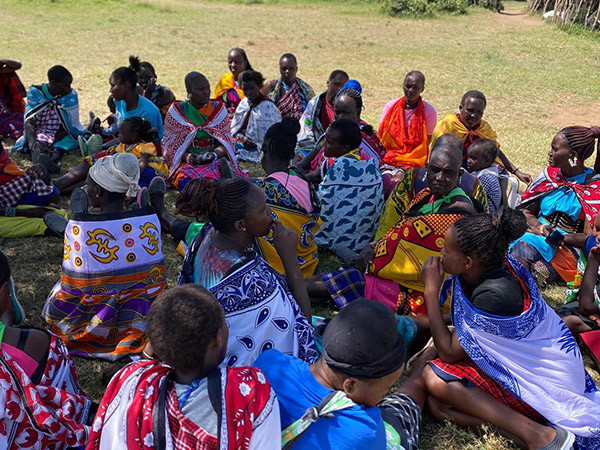
A women's forum organised by The Maa Trust
About the Project
Through respectful community dialogues, survivor testimonies, and women’s forums facilitated by our local partner, the Maa Trust, participants have a safe space to explore health risks, women’s rights, and alternatives. These activities are key in building understanding, trust and change.
The Maa Trust launched its Integrated Community Health project in 2019 with support from CHASE Africa. Partnering with the Ministry of Health Narok, the project increases knowledge and attitudes towards healthcare and improves access to quality healthcare across the Maasai Mara ecosystem.
CHASE Africa supports several other local partners to run community health programmes that focus on women and girls. They are also provide education and information to address this harmful practice.
About FGM
Every year, around 4 million girls are subjected to female genital mutilation.
FGM is often viewed as a rite of passage into womanhood, and families may face immense pressure to comply with tradition to ensure their daughters are accepted within the community.
The injury of female genitalia for non-medical reasons can have short-term to lifelong health impacts on physical, sexual, and mental health, spanning from childhood, reproductive years, and into old age.
Today, over 230 million girls and women alive today have been subjected to FGM and require access to appropriate care services.