
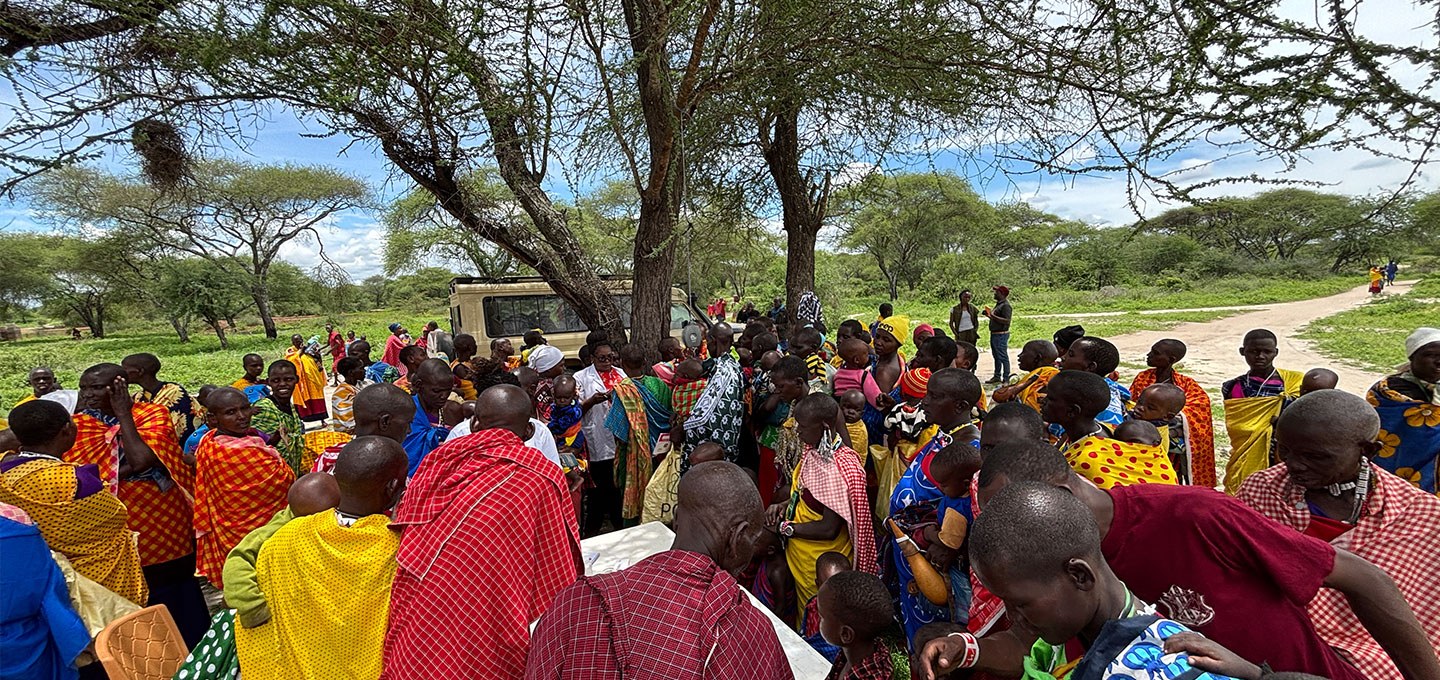
Reflections from a Visit to Makame Wildlife Management Area in Tanzania
By Harriet Gordon Brown, Chief Executive
My recent visit to Tanzania focused on reviewing progress of our community health programme in the Makame Wildlife Management Area (WMA), a new partnership initiative that CHASE Africa began supporting in 2025.
This article shares reflections from time spent visiting our new partner organisations and communities across the programme villages in Makame WMA.
In 2025, we began collaborating with the Honeyguide Foundation, Makame Wildlife Management Area (WMA) and Maasai Women’s Development Organisation (MWEDO). It marks an exciting milestone for CHASE Africa as we continue to expand our work into new landscapes.
Our joint community health programme is now reaching around 25,000 people across five remote villages that make up the Makame WMA.
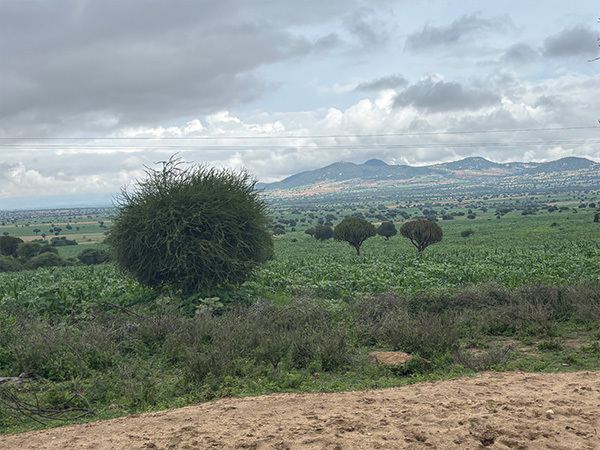
Makame Wildlife Management Area is vast
The programme is strengthening the local health system, increasing health seeking behaviour and improving awareness of Sexual and Reproductive Health and Rights, while also integrating environmental and human health.
Spending time in Makame WMA brought home the sheer scale and complexity of this work. The conservation area is vast (3,600 km2), with communities spread across a landscape almost the size of Somerset in the UK. The five villages are spread around the edge of the WMA and take over an hour to drive from one village to another.
Each village has a population of 5,000 - 8,000 and is made up of a central settlement, where the health centre is located, and then several sub-villages that are located 8-15km away.
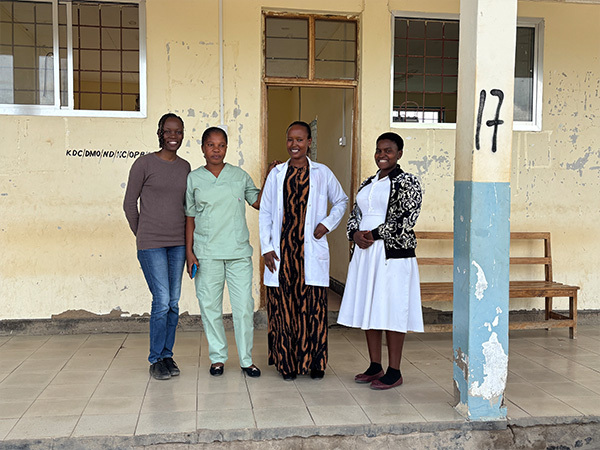
Gladness (on far left) from our partner Honeyguide with the clinical staff at Ndedo health centre
Despite these logistical challenges, I saw firsthand the strength and commitment of local partners and communities working together to improve access to health services.
After just one year, the impact is already visible. Community members spoke about increased uptake of antenatal care, more children being vaccinated, more women choosing to give birth in health facilities and a greater awareness of family planning and maternal health. These changes are being driven by health education, outreach services, additional clinical staff and the dedication of Community Health Workers and Youth Peer Educators.
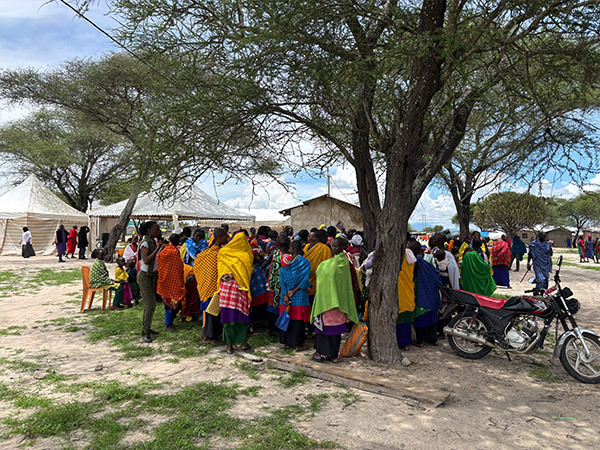
An outreach clinic at Irkinshoibor Village
The power of partnership stood out strongly. Makame WMA is investing income from conservation directly into community health, demonstrating a powerful model in action: protecting the environment while supporting people’s health and wellbeing.
MWEDO brings deep cultural understanding and expertise in working with Maasai communities, ensuring that sensitive issues – such as gender and social norms and reproductive health – are addressed in ways that resonate locally. Whilst Honeyguide has expertise in governance and management that is valuable for supporting Makame WMA and governance of health and education facilities.
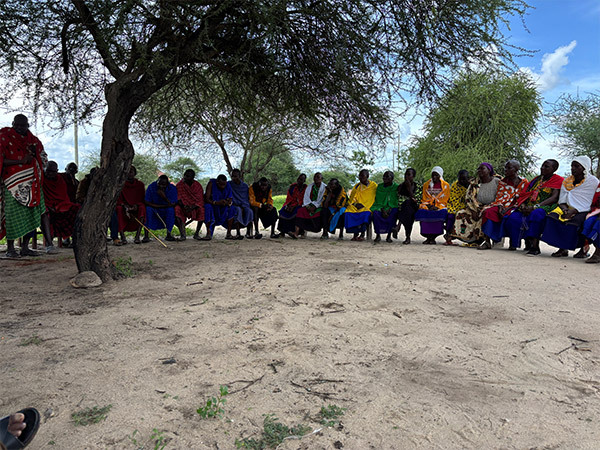
A community meeting at Ndedo Village
There are still challenges to overcome, particularly around staffing, infrastructure and access to services. But the progress so far is encouraging and all partners are committed to building on this foundation over the coming years.
The visit left me optimistic about what can be achieved when conservation and community health are truly integrated and when partnerships are rooted in trust, shared purpose and local leadership.
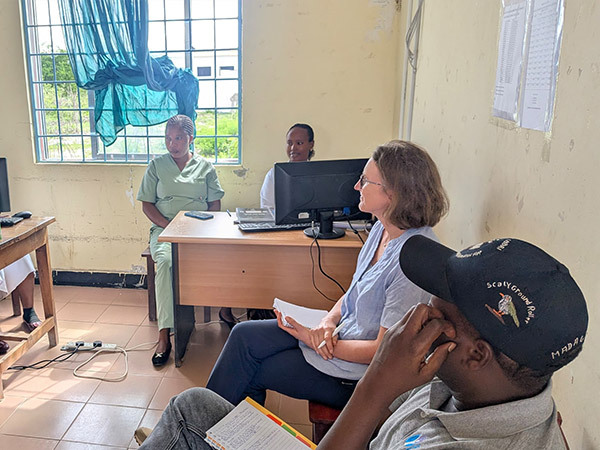
Harriet speaking to the clinical staff at the clinic at Ndedo Village
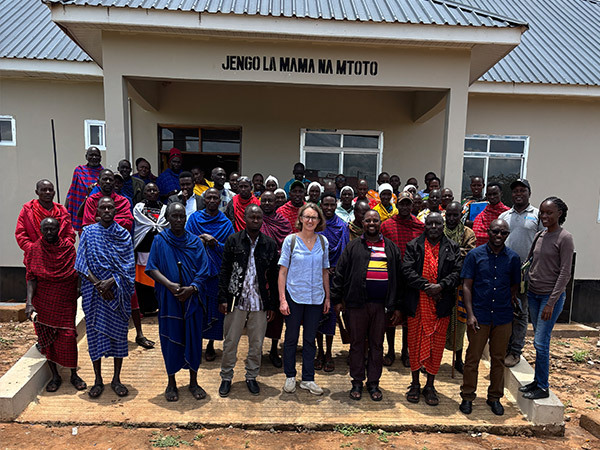
Harriet with project staff and community members at Makame Heath Centre following a community meeting