
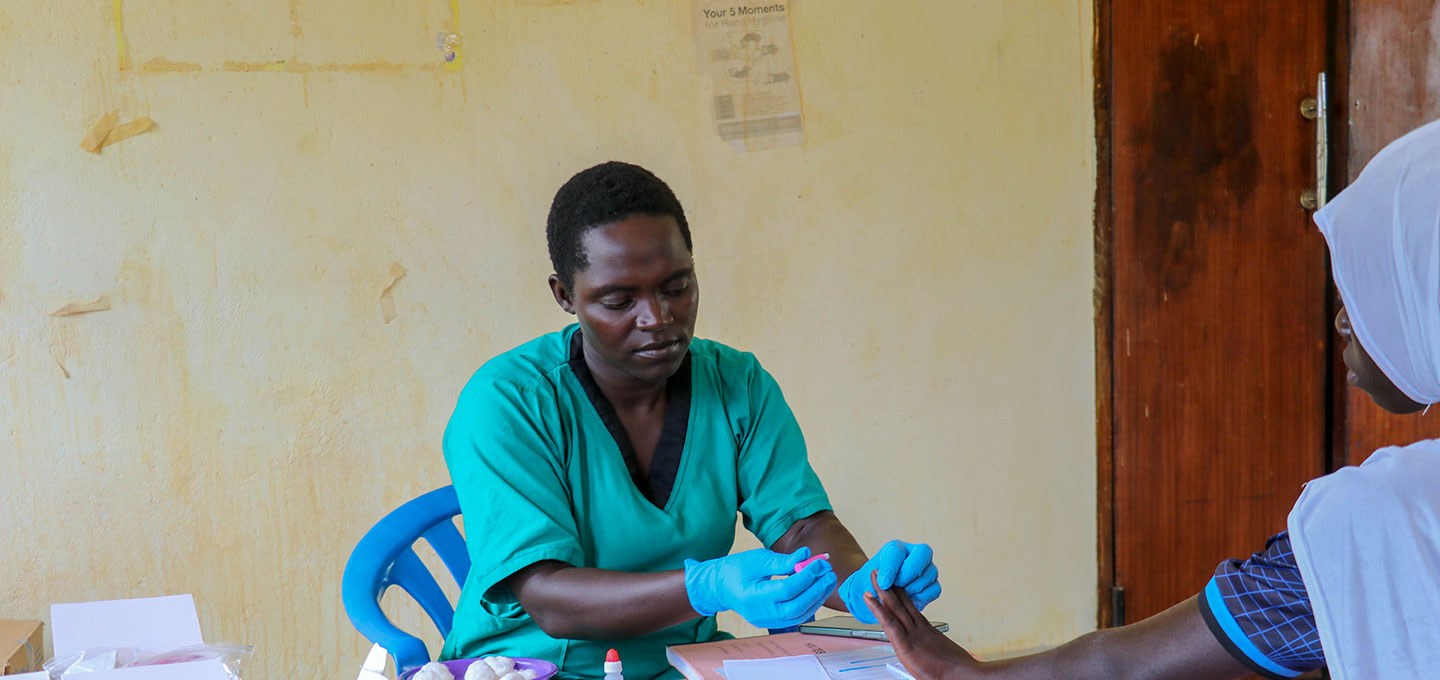
Making it easier for young people in Uganda to get tested for HIV
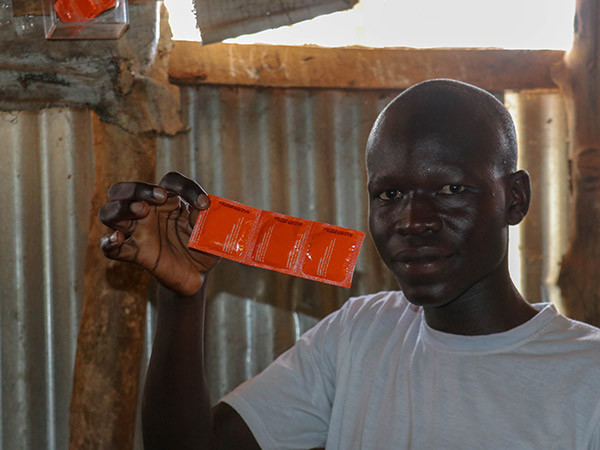
Nobert, 22, lives in Bidibidi Refugee Settlement and had never been tested for HIV. He was afraid of what the result might be.
After taking part in awareness sessions run by our partner RICE West Nile, Norbet said:
Through the awareness sessions, I gained the courage to visit a Youth-Friendly Service Centre and get tested. I also learned about the importance of using condoms correctly and consistently to protect myself from HIV and other sexually transmitted infections. I hope other young people can also benefit from these services, overcome their fears, and make informed choices about their health.
Young people, especially girls, continue to be disproportionately affected by new HIV infections in Uganda. At a time when reductions in development assistance are placing increasing pressure on health services, refugee settlements have been hit particularly hard.
A one-year project with our partners RICE West Nile in Bidibidi Refugee Settlement and RCRA Uganda in Kasese District brought HIV information, testing and condoms closer to young people, reaching 6,249 in total and testing 1,933 for HIV.
In both places, trained Youth Peer Educators and Community Health Workers spoke with young people in schools, at community dialogues and in their own communities, where they could ask questions in private. Both partners also set up free condom dispensers and distribution points, so young people could collect condoms discreetly without going to a clinic.
In Kasese, RCRA Uganda reached young people in remote, mountainous areas through home visits and ran school sessions. Two backpack nurses and 20 health outreaches brought HIV information, testing and condoms closer to young people.
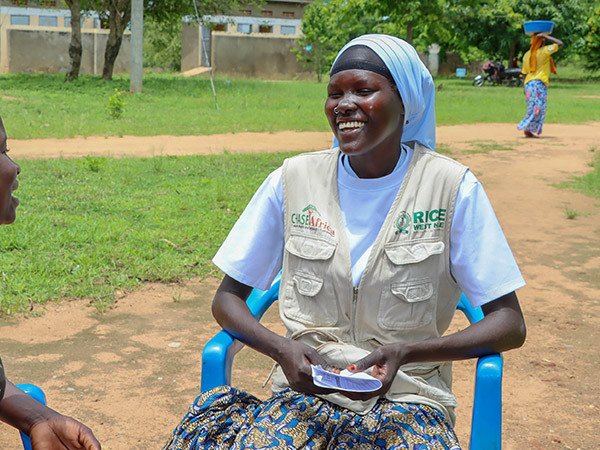
A Youth Peer Educator speaks with a client
In Bidibidi Refugee Settlement, RICE West Nile’s Youth Peer Educators and Community Health Workers reached young people across 27 villages and ran sessions in 20 primary schools. Testing took place at two Youth Friendly Centres, where health workers were on hand to test and provide counselling. Stigma and cultural and religious attitudes made some reluctant to come forward, so the team worked with health workers and local leaders to build trust. They reported that more young people were willing to test as the year went on.
At Iyete Primary School in Bidibidi, Director of Studies Govule Ratib said:
We are committed to continuing the awareness activities even after the project ends. We want to ensure that pupils continue receiving this important information so that we can maintain enrolment, reduce school dropouts and promote positive behaviour.
The project has now ended, but condoms continue to be supplied through the public health system and trained Youth Peer Educators and Community Health Workers remain working at local government health facilities.
We work with RCRA Uganda and RICE West Nile on community health projects in the same areas and that work continues. Our thanks to the generous funder, Mercury Phoenix Trust, who made this HIV project possible.
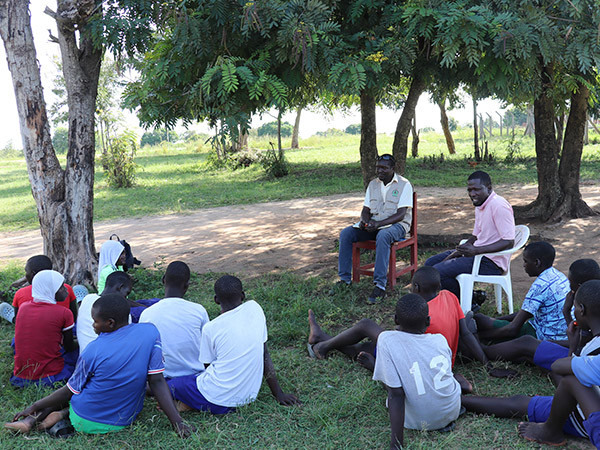
Director of Studies Govule Ratib speaks with students